Oct 21, 2026Buying Guides
PETG, AS or ABS: Which Plastic Suits Your Lip Gloss Tube?
Two tubes can look the same on a screen and behave differently on a filling line. A plain guide to what PETG, AS and ABS each do well, and what to check against your formula.
The question behind the material choice
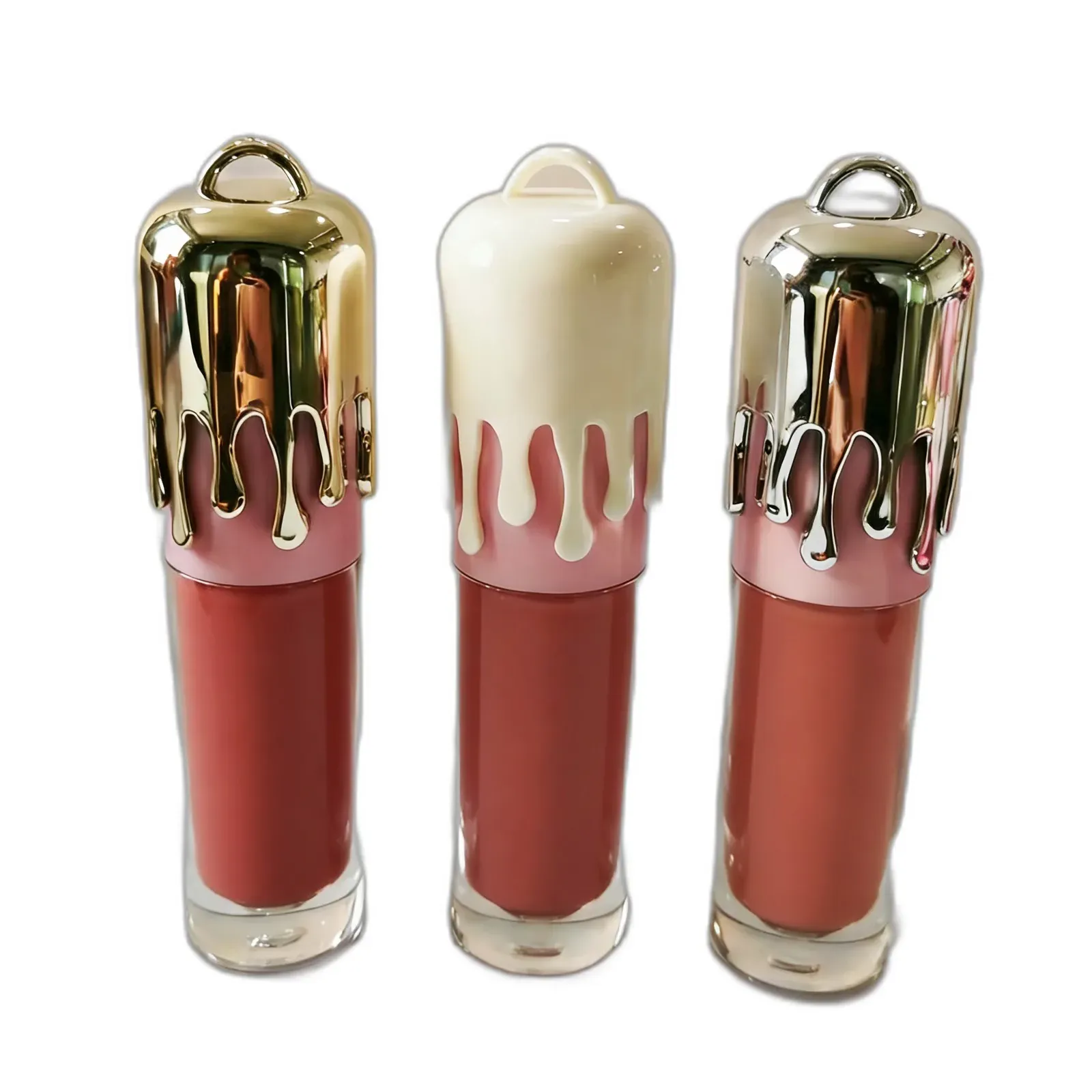
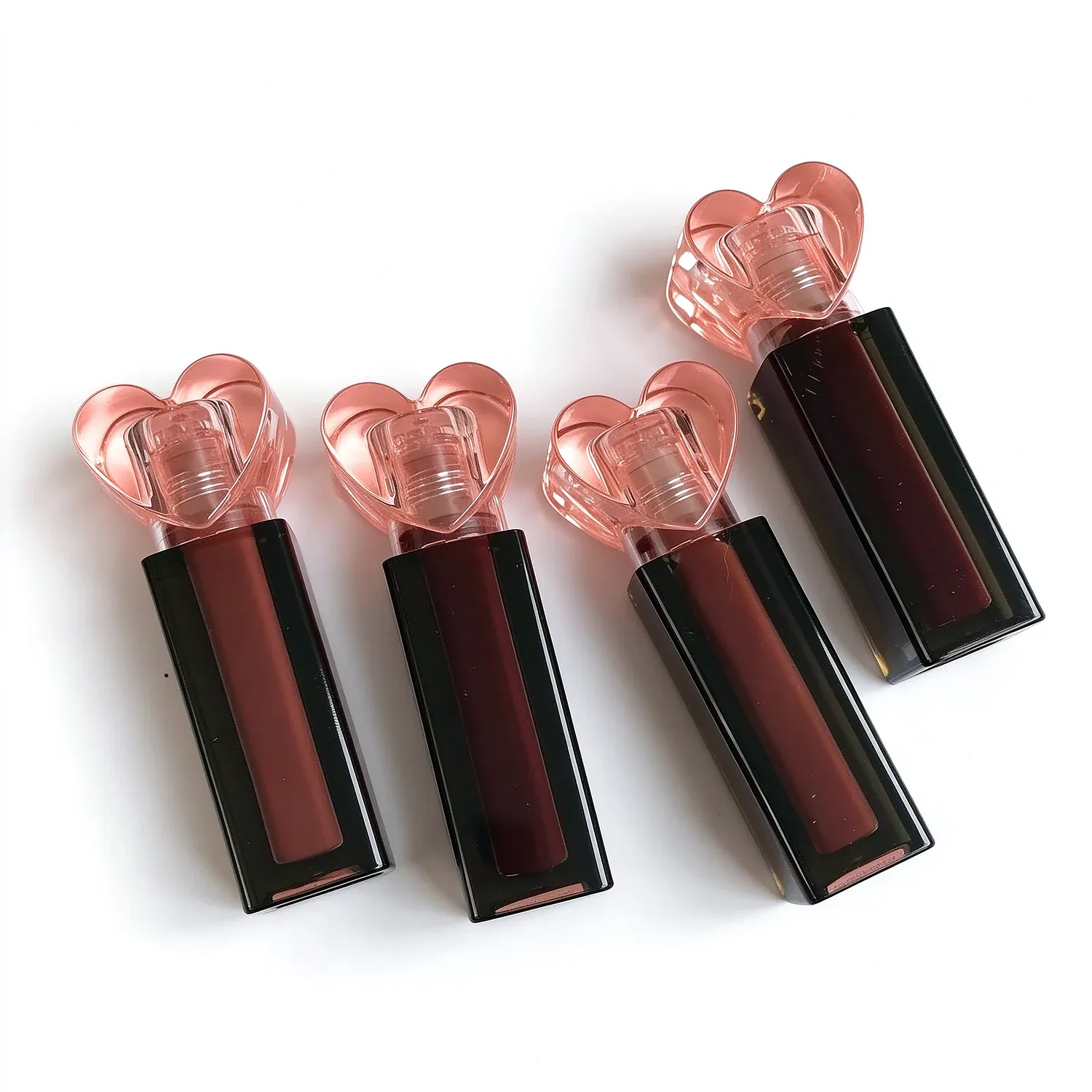
Most buyers do not start with a resin name. They start with a look - a clear tube, a solid black body, a metallised cap - and then ask which material gets them there. The answer changes the cost, the decoration options and how the pack behaves with the gloss inside. This is the comparison we send before sampling.
PETG: clear, tough, and the closest to glass
PETG is the usual choice for a thick, glass-like clear body. It holds up well to impact and to alcohol, which matters for glosses with a high solvent load. It costs more than AS, and print needs the right ink, so it is normally used where the clarity is the point.
AS: the economical clear option
AS gives a hard, bright clarity at a lower cost, which suits entry-level lines and clear tubes where the product colour does the work. It is more brittle than PETG, so it is usually specified for straight tubes and jars rather than thin, flexible parts.
ABS: caps, closures and decoration
ABS is opaque and strong, takes colour well and is the material most often used for caps, wands and decorative parts. It is rarely the body in direct contact with the formula; the body is usually PETG, AS or PP. When a cap is metallised or printed, ABS is normally what makes that finish possible.
What touches the formula
The part that holds the gloss matters more than the look. Oil-based and high-solvent formulas age differently in different plastics, and a material that works for one formula can cloud or crack with another. Before sampling we ask for the formula type - oil, water, alcohol content - and check the contact parts against it.
What to send with an inquiry
A reference photo, the finish you want (clear, frosted, solid, metallised), the formula type and the market the product will sell in are enough to propose two or three material options with the trade-offs spelled out. That short list is usually faster than starting from a single resin name.