Oct 17, 2026OEM & ODM
Multi-Use Color Cosmetics: What a Hybrid Format Means for Your Private Label Brief
Lip-and-cheek tints, blush balls with a puff, 3-in-1 eye pens. Multi-use formats earn shelf space and repeat purchase - if the formula, component and claim are briefed as one job.
Buyers keep asking manufacturers the same question in different words: can one product do two jobs well enough that a customer reaches for it again?
That question is why multi-use color cosmetics keep gaining space on counters. Not because the concept is new - lip-and-cheek tints and multi-purpose pens have been around for years - but because the retail logic behind them has become harder to argue with.
Why the Format Keeps Winning
A single-use product competes on its category. A multi-use product competes on the customer's routine and her bag.
For a retailer, three things follow:
Higher value per SKU. One item covers two purchase occasions, which justifies the shelf space differently.
Simpler merchandising. A compact, travel-friendly format is easier to display and easier for a customer to pick up and take away herself.
A clearer reason to reorder. Multi-use items tend to sit in a daily routine rather than a special occasion, so sell-through is steadier.
For a brand, the appeal is a smaller range with a sharper story. Three products with clear jobs read better than nine that overlap.
What Multi-Use Actually Looks Like in a Range
The practical formats are well established:
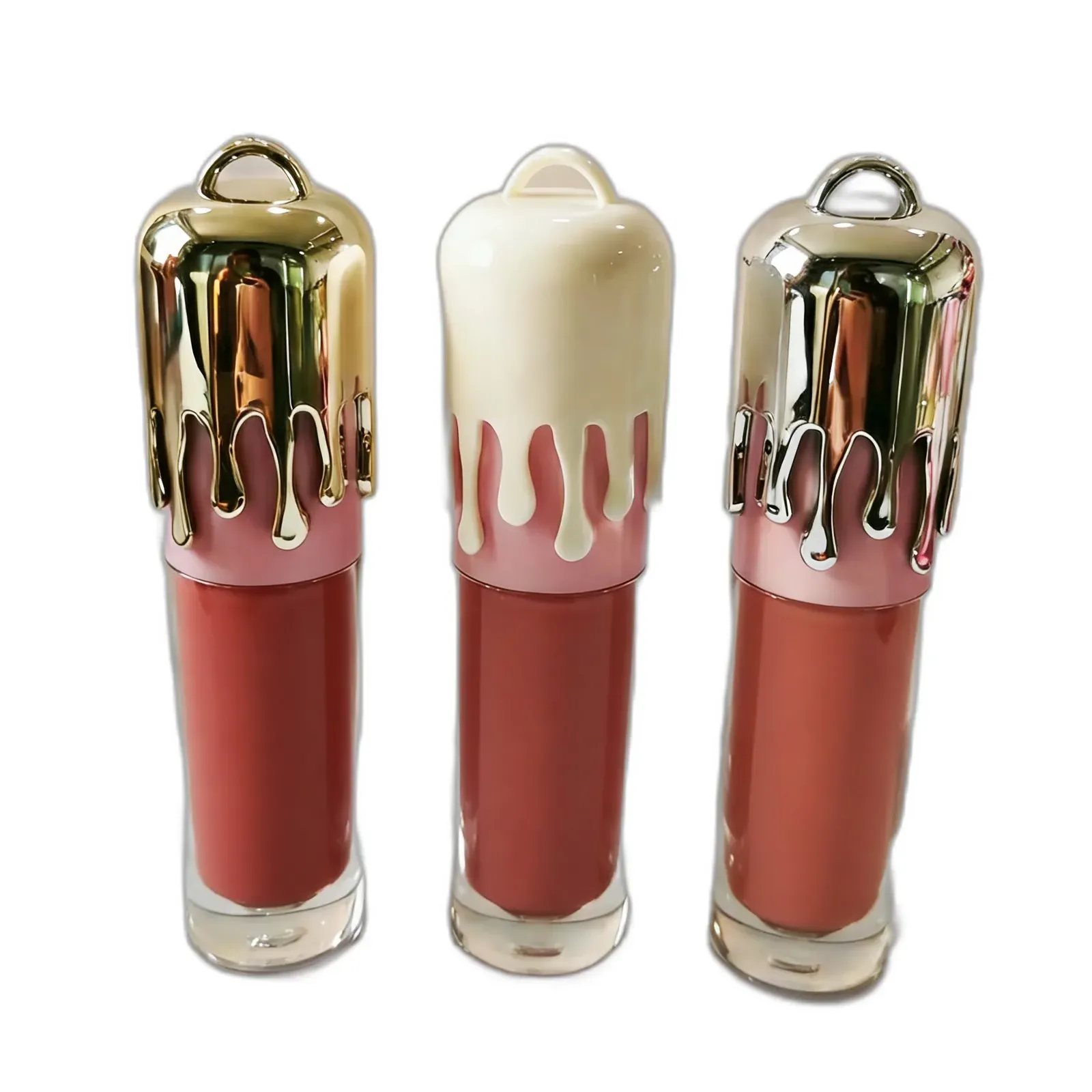
Lip and cheek tints - one shade, two applications, comfortable enough to reapply.
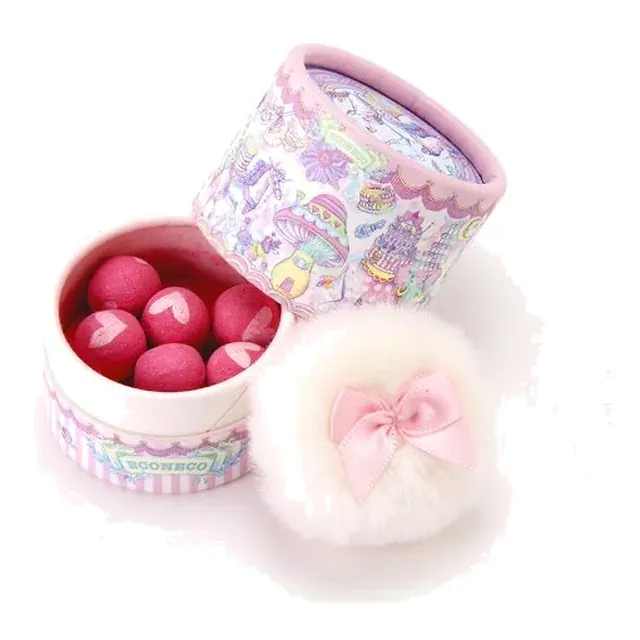
Blush balls with a built-in puff - application included, which removes the "do I have the right brush" objection.
Multi-purpose pens and sticks - eye, lip or highlight in one component.
Hybrid skin-tint formats - a base with a light care cue rather than a treatment claim.
Each of these is a different manufacturing brief. The mistake is treating them as one trend and asking for "something multi-use" - that instruction produces a sample that does one job adequately and neither job well.
One Product, One Job, One Claim
The single most useful discipline in a hybrid brief is to decide which job is primary.
If a tint is primarily a cheek product, the brief should say so, and the lip performance becomes a secondary requirement rather than a competing one. If a stick is primarily an eye product, its wear and blendability come first.
This keeps the brief honest in two ways:
1. Formula clarity. Texture, viscosity and pigment dispersion are chosen for the primary application - not averaged between two.
2. Claim discipline. Colour cosmetics should not drift into treatment language. Visible, immediate, sensory benefits - comfortable, non-drying, easy to blend, buildable - are appropriate. Promises about changing skin are a different regulatory category in most markets and need a different path.
A restrained claim is also better marketing. It tells the customer exactly when to use the product.
What to Test Before You Scale
Multi-use formulas are more sensitive than single-use ones, because one product now has to satisfy two sets of conditions. Three checks matter before an order is placed:
Formula. Viscosity and texture on skin, pigment uniformity across the batch, odour, and how the product behaves after a few hours of wear.
Stability. Heat, cold and light exposure. A formula that looks right in a swatch can separate or shift colour in a stored carton.
Packaging compatibility. This is where multi-use projects lose time. The formula has to agree with every material it touches: case, seal, and applicator. Component formats commonly used for these products include resin, PP, PS, ABS, AS, and PETG, and not every formula behaves the same way in every one of them.
Four things to confirm on the component:
No discolouration or chemical reaction over time.
No leakage or seepage at the seal.
Dispensing that matches the formula's flow - a puff, a doe-foot, a stick, or a pump all need different rheology.
The case looks premium enough that the customer keeps it, not just uses it.
Paraben-free formulation is now a baseline expectation for these ranges rather than a selling point on its own.
Briefing and Timing
A multi-use range usually takes one extra sample round compared to a single-use item, because two applications are evaluated from one sample. Build that into the calendar rather than treating it as a delay.
The working numbers are straightforward: samples in around 14 days, production shipped in 45-55 days after payment, goods leaving from Shanghai or Ningbo. The minimum order quantity is 5,000 pcs or 10,000 pcs depending on the item. Payment is by T/T, L/C, or PayPal, and trial orders are welcome.
Send these five things and the first sample round is usually the last one:
1. Primary application and secondary application, in that order.
2. Reference product or swatch for texture and finish.
3. Component format and whether it must include an applicator.
4. Your artwork status - do you need a die-cut template or design support?
5. Estimated quantity per SKU and destination market.
A multi-use range is not a way to save money on development. It is a way to earn more shelf space with fewer SKUs - and that works only when each item is briefed as one clear job.
If you are developing a lip-and-cheek tint, a blush-with-puff compact, or a multi-purpose pen, send the format and your target quantity. You will get a sample plan and a quotation to compare against your retail price.