Oct 18, 2026Buying Guides
Private Label vs Branded Cosmetics for Gift Shops and Supermarkets
Stocking brands is fast; private label builds margin and an offer nobody else on your street has. A practical comparison for gift shops and supermarkets, including MOQ, sample and lead-time maths.

Every gift shop and supermarket counter faces the same shelf decision: fill it with brands every other shop also stocks, or develop your own line.
Both work. They solve different problems, and the right answer usually depends on how much of your year is driven by seasons and gifts.
The Two Ways to Fill a Counter
Branded stock is fast and familiar. The customer may already know the product, you can buy in small quantities, and there is nothing to develop. The trade-off is margin and differentiation: you are competing on price with the shop across the road, selling the same items.
Private label means the product is made for you under your own name. You choose the range, the shades, and the packaging. It takes longer to get to the counter, and it needs a minimum order - but the offer is yours alone, and the margin per unit is higher because there is no brand licence to pay for.
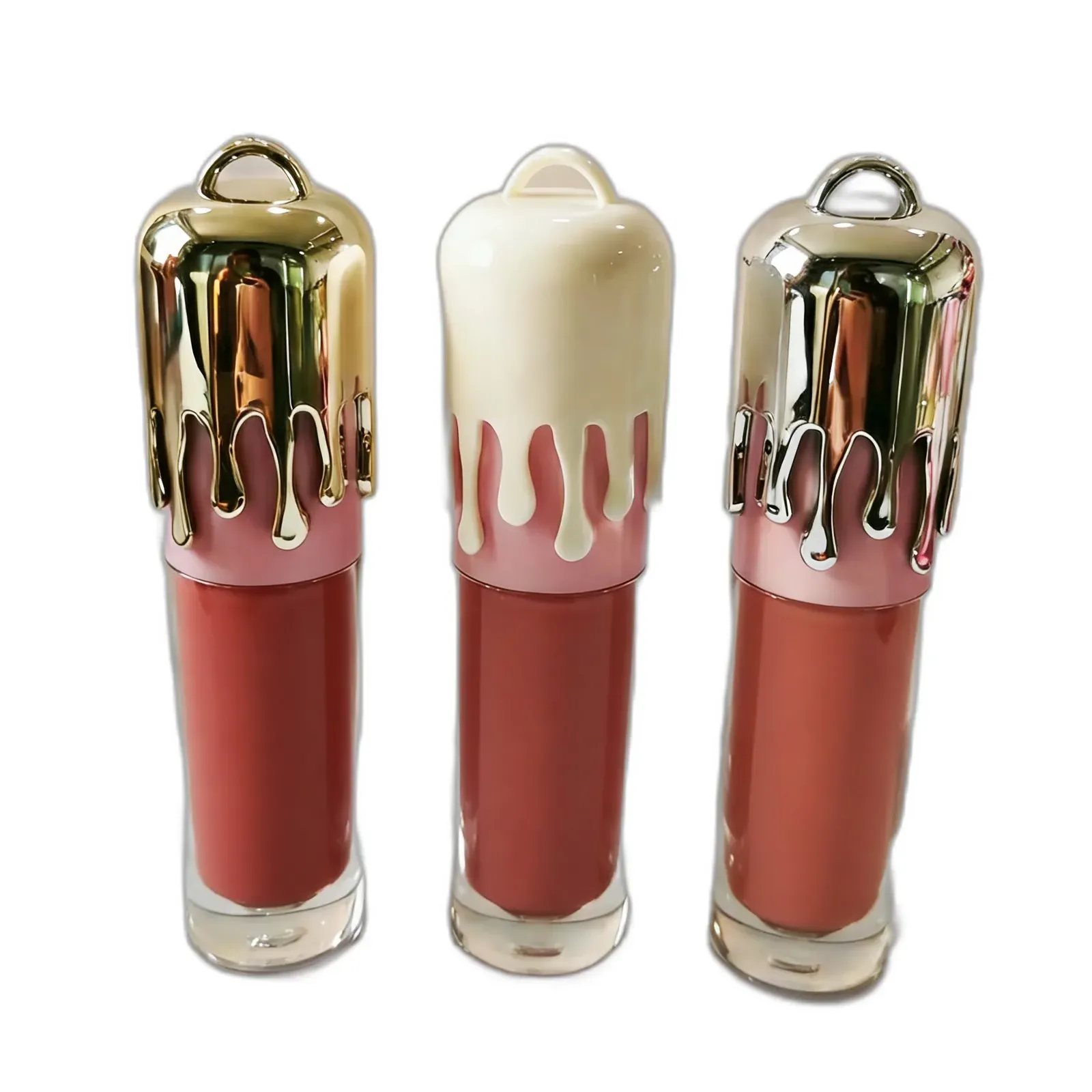
For a gift-led business, the second option solves a specific problem: gift shoppers do not want the obvious item. They want something that looks considered. A shaped lip gloss or a themed nail file set under your own name does that in a way a nationally advertised brand cannot.
What Private Label Actually Solves
Four things, in order of how quickly they show up on the P&L:
Margin. Own-label cosmetics remove brand marketing costs from your cost base. The gain is real, but only if the order size matches what you can actually sell. Model it per SKU against your forecast, not against the whole category.
Exclusivity. A private label item cannot be price-matched by a competitor, because they cannot buy it. That is worth more in a gift shop than in a supermarket, where traffic already exists.
Range control. You decide the shade, the finish and the price point. If your customers shop at $8-15, you build the range at $8-15 - instead of discounting someone else's $25 product to get there.
Seasonal rotation. Own-label lets you build a Christmas item, a Valentine's item and a summer item as three different products at the same cost base. Branded ranges rarely rotate that fast.
Where Branded Still Wins
This is not an argument against branded stock. Branded products still win when:
The customer is buying a known name as the gift.
You need the counter filled this month, not next quarter.
A category carries trust risk that a small own-label item cannot earn quickly.
You are testing whether a category works before committing to a minimum order.
The practical answer for most gift shops and supermarkets is a mixed counter: brands for trust and immediate footfall, private label for margin and giftability. Brands pull customers in. Own-label keeps them buying.
Start With Low-Risk Categories
Not every category is a sensible first private label project. The safest starting points are simple, low-commitment, visually strong items where the customer's decision is about look and price rather than claims:
Shaped and novelty color cosmetics - they sell as gifts on appearance alone.
Basic blush and lip items in soft, forgiving tones.
Gift accessories such as printed nail files.
Seasonal gift sets that combine two or three low-ticket items.
Active, treatment-led products and anything making a health claim should come later - or not at all - in a first range. They carry a different regulatory path in most markets and a longer development cycle than a gift counter needs.
The MOQ Reality Check
Private label has a minimum because the factory has to set up for your product and your artwork. For color cosmetics and related gift items, the working figure is 5,000 pcs or 10,000 pcs, depending on the item and the component.
Two ways to make that workable:
1. Fewer SKUs, deeper quantities. One well-chosen lip item at full quantity beats three items half-funded.
2. Start with a trial order. Trial orders are welcome. You do not have to commit to a full season before you see how the product performs on your own counter.
Paraben-free formulation is available across the range, and case materials - resin, PP, PS, ABS, AS, PETG - can be selected to match the price position you are building.
The Timeline Maths
Two numbers decide your season: samples take around 14 days, and production ships 45-55 days after payment. Freight and clearance sit on top of that.
Work backwards for your biggest windows:
Back-to-school - order by Q1, approximately.
Christmas / holiday gifting - order by early summer.
Valentine's Day - order in Q4 of the previous year.
Mother's Day - order in Q4-Q1.
If a window is tight, a smaller first quantity on a simpler component is a better answer than a shipment that arrives after the peak.
What to Ask Before You Commit
Send a supplier these five items and you will get a quote you can price from:
1. Category and format - which product, which component.
2. Quantity per SKU - even a rough figure changes the pricing tier.
3. Shade or artwork direction - references are better than descriptions.
4. Destination market - it drives labelling and wording requirements.
5. Your target retail price - so the quotation can be built to land under it.
For artwork, a supplier that provides a die-cut template or creates the design for you removes the most common cause of delay in a first private label order.
The Short Version
Branded stock fills a counter. Private label builds an offer.
If your business runs on gifts and seasons, the second one is where your margin and your differentiation live - and a trial order is the cheapest way to find out whether the category works before you scale it.
Send your category, quantity per SKU and target retail price to start the conversation.